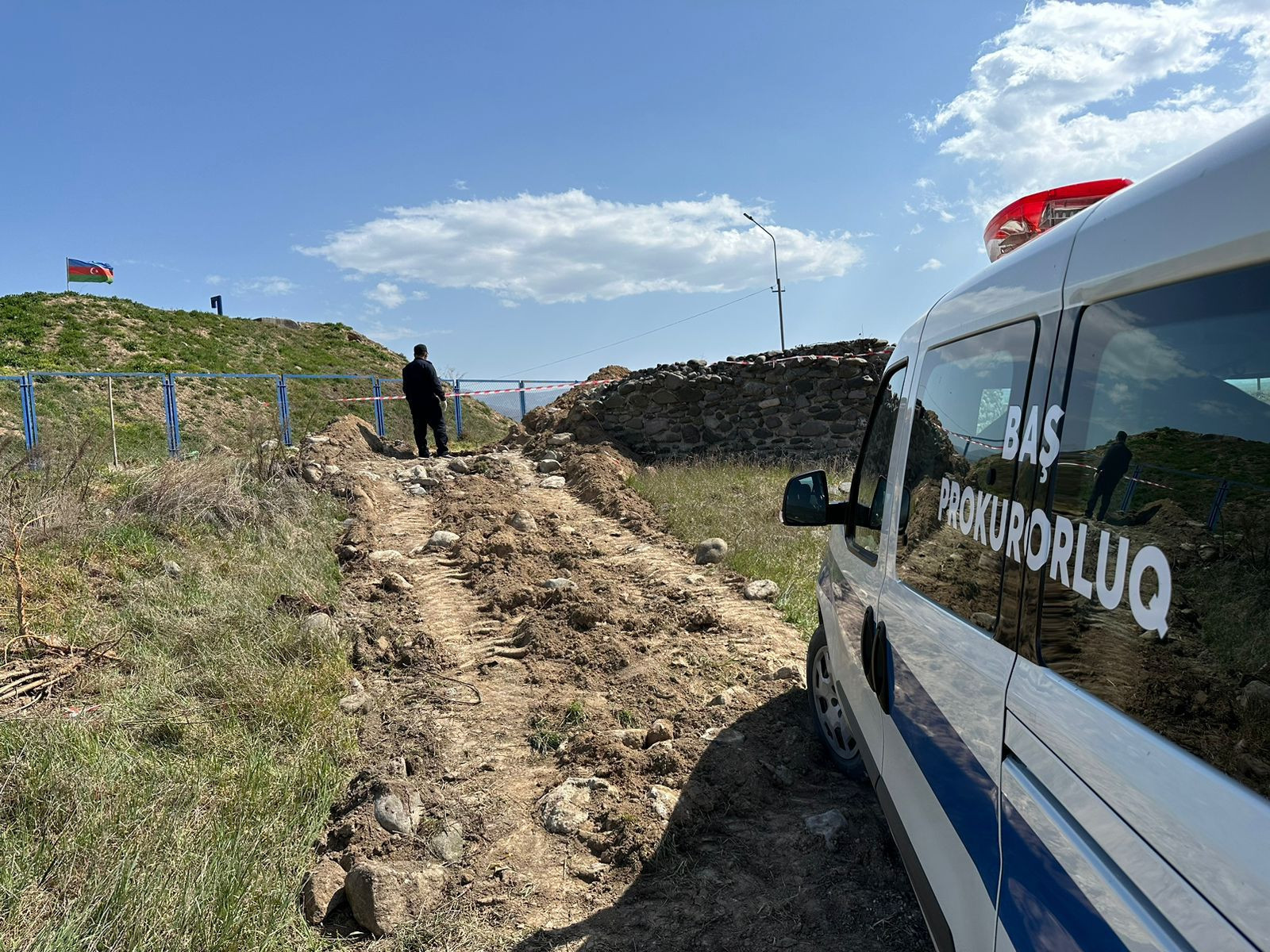
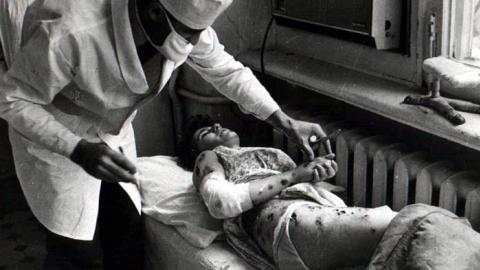
Remains of Guba massacre (1918)
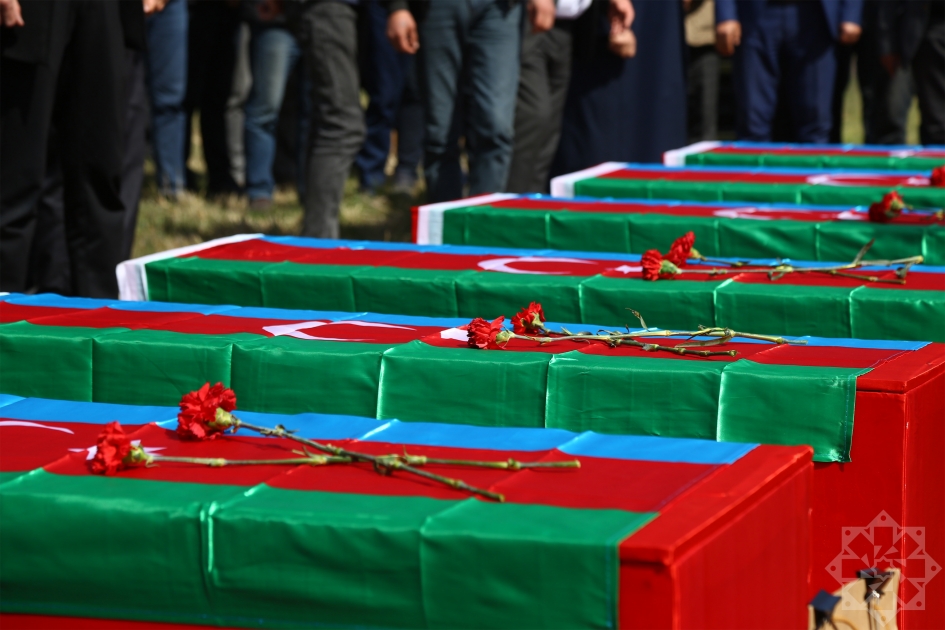
Victims of 1918 March massacre in Guba were excavated during the occasional archeological expedition. Overall 400 sculls remaining of local Muslim and Jewish population were identified by independent experts and buried in mass burial ceremony by Azerbaijani authorities and representatives of main religious confessions of the country.
 Exploded Baku-Kislovods train (1994)
March, 14 people died and 49 were injured in result of the explosion, stirred up in the underground station "20 January" in Baku. April the passenger train at "Moscow-Baku" route was exploded near station resulting in fall of 6 civilians, injuring 3 people. July 3, 13 persons died, 42 injured in the result of the explosion at Baku underground station. Consequent investigation and court hearings proved that the terror acts were carried out by the special service of the Republic of Armenia.
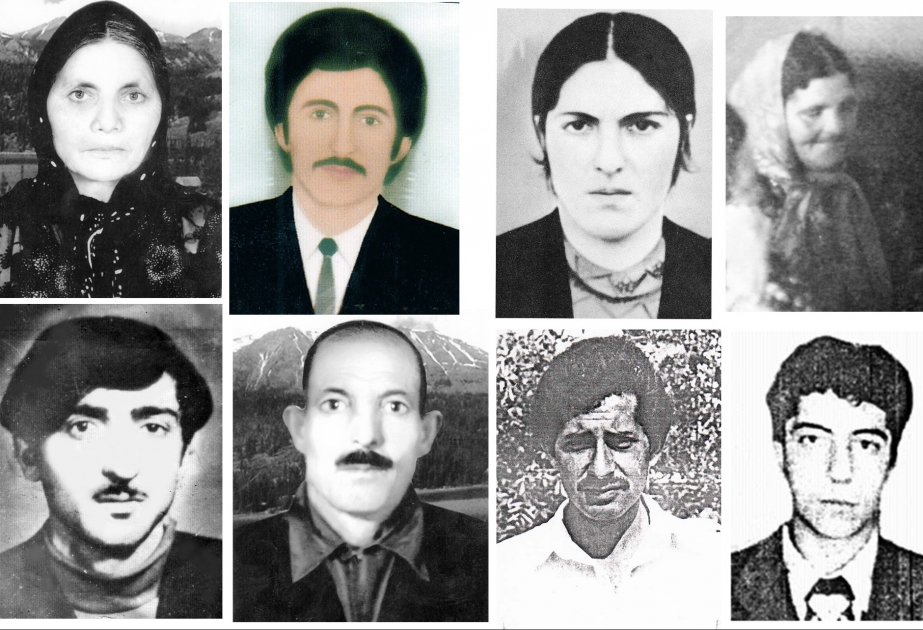
 Victims of Khojaly massacre (1992, February)
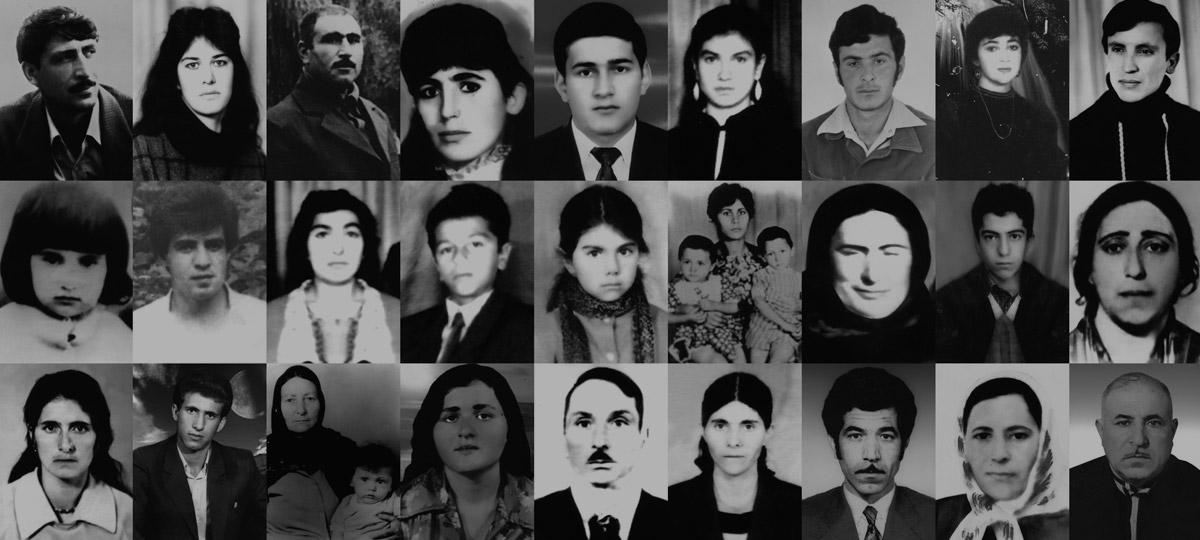
1992 February. Night of 26 February. Mass massacre of population of Azerbaijani town of Khojaly. During the takeover of the town left defenseless and consequent ambush of unarmed column of refugees fleeing the town Armenian forces backed by ex-Soviet motor-riffle regiment N 366 massacred 613 unarmed people, injured 487 and took into the hostage 1275. 63 of massacred were children, 106 women, 70 elders; 6 families were eliminated entirely; 25 children lost both parents and 130 children lost one parent.
 Meeeting in Stepankert (Khankendi) (1988)
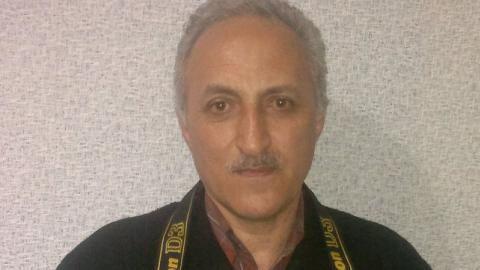
 Zoriy Balayan, one of the extremist ideologists of the Armenian separatism
1989 December – parliament of the Soviet Armenia adopted the unprecedented by Soviet standards law declaring the unilateral annexation of the Nagorno Karabakh Region of Azerbaijan. The decision marked the open phase of Armenia’s aggression against Azerbaijan and spiraled bloodshed in the South Caucuses.
1989 – 1994 As a result of aggression by Armenia about 20 percent of Azerbaijani territory (Nagorno Karabakh and surrounding 7 districts) were occupied. The severe loses were inflicted upon Azerbaijan as the result of the war:
about 20 000 people were killed, 50 000 disabled and 4 866 missed; 890 settlements, 150
000 houses, 7 000 public buildings, 693 schools, 855 kindergartens, 9 mosques, 9 sites of
historic importance, 2000 km water pipelines, 280 000 ha of forests were devastated.
 Meetings in Yerevan 1988
1988 February – taking the advantage of Gorbachev’s perestroika policy and as next step of annexation of Azerbaijani territories Armenian authorities inspired decision by the regional legislative body of Nagorno Karabakh Authonomous Region (dominated by ethnic Armenians) to announce the secession of the region from Azerbaijan. Carried out in a way contradictory to both its legal status and the Soviet Constitution the decision gave birth to bloody separatist movement in Azerbaijan.
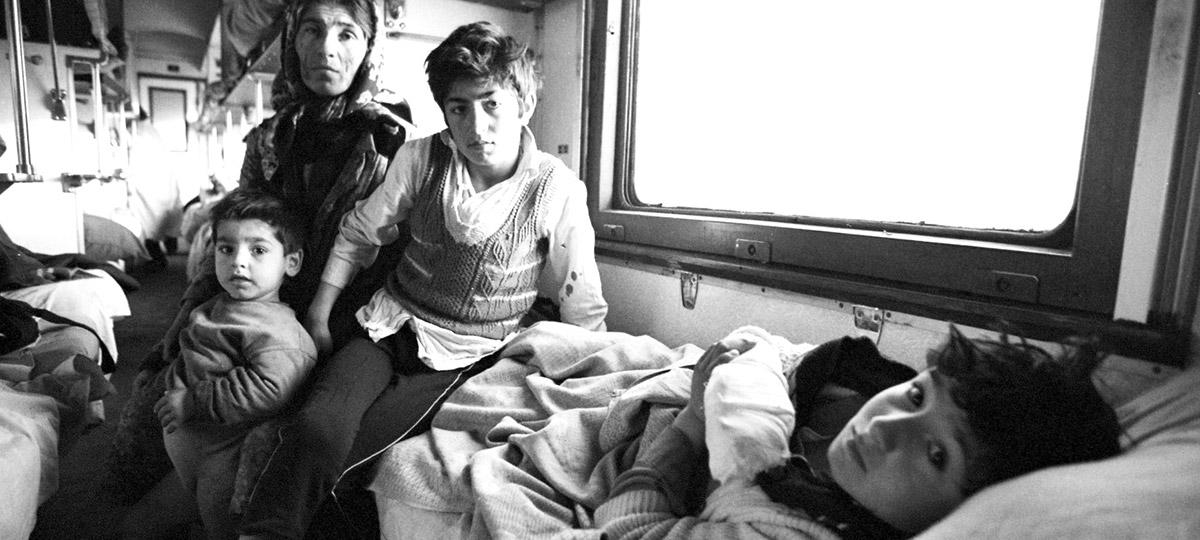
 Azerbaijani refugees ousted from their historical homelands in Armenia (1988)
1988 – November – December. The whole Azerbaijani population historically living in now days Armenia ( about 250 000) was deported by Armenian authorities under the pretext of inability to guarantee their safety given the raise of nationalist sentiments . During the deportation 225 civilians were killed or died due to harsh conditions of fleeing through the iced mountains, 1 154 injured; up to 31 000 houses and 165 farms were destructed.
Stalin, the Soviet dictator adopted a resolution on the deportation of Azerbaijanis from Armenia. About 10 000 Azerbaijanis died as a result of deportation policy of the Soviet Union. In 1948 24,631, 1949 54,373, in 1950 65,650 Azerbaijanis were forcedly deported from Armenia.
Following the formal establishment of the Soviet Union with Azerbaijan and Armenia as its subordinate republics, Armenian Bolshevik leadership ( with heavy influence of the nationalists with leftist Dashnak background ) petitioned the Kremlin with territorial claims towards the part of the Karabakh Province of Azerbaijan. Consequently, according to the decision by Bolshevik Party (plenary meeting of Caucasian Bureau of Central Committee of Russian Communist Party) mountainous part of Karabakh ( Nagorno Karabakh which is translated from Russian as mountainous Karabakh) was isolated into the special district where Armenians artificially became majority and was granted with the status of autonomous region within the territory of Azerbaijan. This time Armenian nationalists benefited from the Soviet Empire’s grand strategy of “divide and conquer”.
1920 April - ADR was occupied by the Bolshevik Red Army as a result of which the national government as the only mean of protecting local population from territorial demands and brutality of Armenian terrorists ceased to exist.
 Victims of Baku massacre (1918 March-April)
 Remains of 1918 massacres excavated by Special Investigation Commission
1918 March – During the 4 day massacre in Baku aimed at intimidation of local population fed up with expropriation and looting policies of the Commissars over 10 000 Azerbaijanis were killed. The gang headed by Dashnak terrorist chief Tatevos Amiryan was the major machine of mass killings.
 General Njde, Butcher of Zangezur
During World War II he will serve in Nazi in punitive squads.
 Tatevos Amiryan, one of the Dashnak chiefs turned to Baku Commissar
1918 - March, In Shamakhi district of Azerbaijan 8 057 people were killed, including 2 560
women and 1 277 children. At the same year in Zangezur district (that was later illegally annexed to Soviet Armenia) over 100 villages were devastated and 10 068 rural inhabitants were murdered. In Guba district (north of Baku) approximately 16 000 people were killed, including about 12 000 Lezgins, Tats and mountainous Jews as well as about 150 villages were devastated during mass massacre perpetuated by Commissars’ mandated forces of Dashnaksutyun warlord Amazasp.
 Parliament of ADR, first-ever parliament in the Muslim world
1918 – May, Declaration on establishment of independent Azerbaijan, Georgia and Armenia was adopted by national factions of three South Caucasian peoples in Tbilisi. Azerbaijani National Government in the spirit of “revolutionary enthusiasm and Caucasian solidarity” recognized the territory of former Azerbaijani Khanate of Irevan as the national home for building Armenian state.
 Map of Azerbaijan Democratic Republic (1918-1920)
1918 - 1920, In September of 1918 the Government of Azerbaijan Democratic Republic (ADR)
established in May 1918, took over Baku, the capital of the country and started forming national army. Newly formed army units were dispatched into Nagorno Karabakh and were able to protect local Azerbaijani population from total extermination. Relative peace between Azerbaijani & Armenian communities was restored in the region.
During the short period of ADR existence the first ever democratic republic in the Muslim world was established. All national minorities including Armenians were represented by respective factions in the Parliament of the Republic.
 Russian Revolution (1917)
The effect of Russian Revolution doubled with the disorder created by ongoing World War I caused a chaos in the South Caucasus thereby paved the way for new phase of ethnic cleansing of non-Armenian population in the region by groups of well-trained Armenian terrorist gangs.
1917 November-1918 July On the background of chaos caused by World War I and Russian Revolution the Government of Bolshevik Commissars with strong influence of pro-Armenian nationalists took over power struggle in oil rich Baku .
Under the orders of the Baku Commissars Government led by Armenian nationalist Stepan Shaumian, the Dashnak gangs carried out massacre of more than 150 000 Azerbaijanis as well as Kurds, Lezgins and Tats in pursuit of goal of ethnic cleansing of Azerbaijani territories and further expanding new born Republic of Armenia as modern form of the mythic Greater Armenia.
 Devastation of Shusha city (1905)
In pursuit of the goal of restoration of the “Greater Armenia” and considering an armed fight as a mean to achieve its goal, militants of nationalist Dashnaktsutyun Party and its terrorist groups launched a mass terror campaign against prominent society figures and ordinary residents of the lands in Azerbaijan claimed to be cleansed to expand “living space for Armenians” who constituted a minority population in the region at the time.
Establishment of terrorist Dashnaksutyun Party (Armenia Revolutionary Federation)
whose goal was to create so-called United Armenia that would include Eastern Anatolia, Azerbaijani territories of Karabakh and Nakhicevan, and Georgian territory of Javakhetia as well as parts of southern Russia and northern Iran. The party revived an ancient Armenian mythology of the “Greater Armenia” and declared the restoration of the latter as the final goal of its struggle.
|